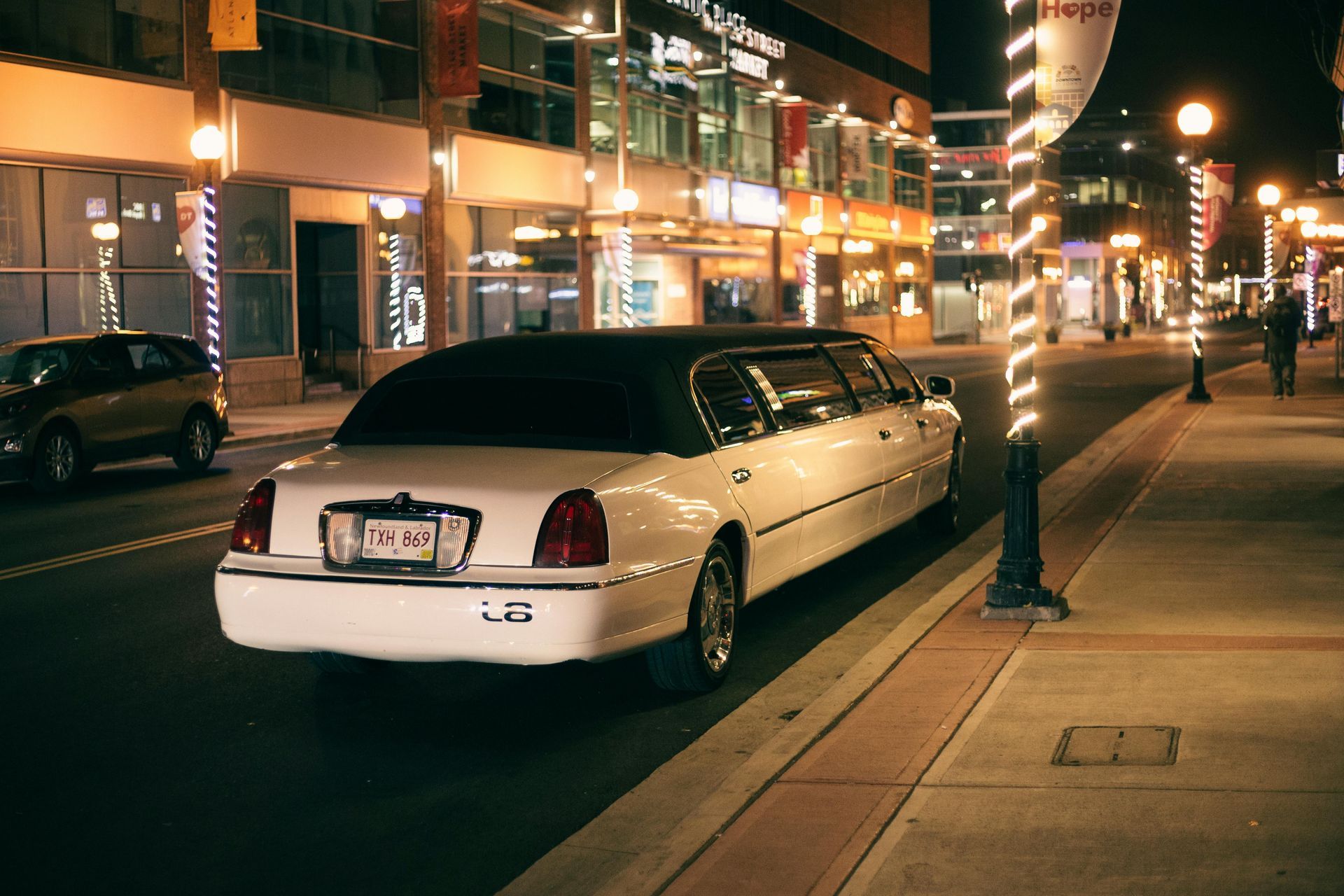
Weddings and grand celebrations are made up of smoothly unfolding moments, with guests arriving stress-free, schedules maintained, and the event flowing intentionally. Even though transportation can be subtle, it greatly affects the event’s smooth operation. When guests move effortlessly between venues, the atmosphere chauffeur services remains positive and focused on the occasion itself. Without careful planning, transportation may create delays, stress, and disorganization. Proper planning ensures transportation enhances the event instead of causing disruption.
From the earliest arrival to the final departure, transportation touches nearly every phase of a wedding or large event. Managing vehicles, schedules, and guest groups demands careful planning and expertise. Premium transportation service improves the experience with focus on comfort, reliability, and structure. Properly managed transportation allows hosts to focus on the celebration rather than schedules. Careful transportation planning creates a smooth, organized, and unforgettable experience.
Understanding the Scope of Your Event Transportation
The foundation of successful transportation planning starts with understanding the full scope of the event. Key considerations include guest count, event schedule, and required transitions. Weddings and large events frequently involve ceremonies, receptions, photo sessions, and after-event gatherings. Each transition introduces timing considerations that must be addressed in advance. Early planning helps avoid unexpected issues.
At this stage, The Good Life Transportation Company carefully assesses transportation integration into the event. We examine guest movement, timing priorities, and possible obstacles to maintain flow. Thorough review ensures transportation feels seamless and unobtrusive. Planning for potential challenges helps maintain smooth operations. This produces a transportation plan that perfectly fits the event’s timing and flow.
Establishing a Practical and Efficient Transportation Timeline
Maintaining consistency requires a clear and structured transportation timeline. The schedule includes pick-up windows, travel times, extra buffers, and departures. Buffer periods help absorb small delays and maintain flow. Careful scheduling keeps all segments of the event moving smoothly. Guests enjoy the event more when transportation is organized and reliable.
Coordinating the transportation timeline with the event ensures smooth flow. Working with planners guarantees transportation supports key activities without disruption. Synchronization of schedules minimizes errors and enhances team coordination. A shared timeline allows for proactive adjustments when necessary. Dependable timing helps maintain a professional and smooth event flow.
Making Guest Comfort a Priority in Every Transportation Step
Transportation is judged largely by how comfortable guests feel during transitions. Guests appreciate comfortable, smooth, and well-managed transportation. Relaxed guests are better able to enjoy and engage with the celebration. Transportation is part of the overall welcoming and attentive experience. This attention to comfort reflects care and consideration for every attendee.
Guest experience benefits from clear, organized, and comfortable transportation. Clearly communicated pickup locations and orderly boarding reduce uncertainty and delays. Clear communication helps guests feel confident and reduces anxiety. Emphasis on intuitive transitions helps minimize stress. This approach creates a positive impression that supports the overall tone of the event.
Handling Various Groups with Careful Coordination
Large events often involve multiple groups that require different transportation arrangements. Guest categories, including family, wedding parties, and other attendees, may have differing routes or schedules. Managing all these groups takes detailed planning to make sure everyone is accommodated. Each group’s needs must be addressed without disrupting the overall timeline. Proper segmentation allows transportation to remain efficient and organized.
Managing these distinctions requires structured coordination and clear communication. Drivers and event coordinators collaborate to ensure each group arrives on time and accurately. Smooth group transitions occur seamlessly for guests without visible complexity. Such organized management creates a unified flow throughout the event. Accurate coordination of groups keeps the event running smoothly without hiccups.
Maintaining Reliability Throughout the Event
Dependable transportation is critical for a well-organized event. Weddings and large gatherings depend on punctual arrivals to keep ceremonies, receptions, and activities on track. Reliable service prevents transportation from becoming a logistical burden. Guests and hosts alike benefit from dependable service. Dependable service strengthens confidence in the event’s overall schedule.
Professionalism and advance planning are key to ensuring dependable service. Careful scheduling of drivers and vehicles supports punctual arrivals. Every transportation segment is considered crucial to the overall flow. This disciplined approach minimizes disruptions and maintains momentum. Reliable scheduling allows the event to run seamlessly.
Incorporating Transportation Seamlessly Into Event Planning
Transportation should be viewed as part of the event design rather than a standalone function. Transportation can support and enhance the intended tone of the event. Aligning transportation with decorations, timelines, and guest management improves the overall experience. Careful planning makes every pickup and drop-off feel deliberate. Transportation that fits naturally into the event design increases overall quality perception.
Transportation that follows the event plan enhances the overall experience. Well-timed arrivals reinforce the event’s narrative and flow. This coordination contributes to a refined and organized experience. Attendees perceive when the event is organized and thoughtfully executed. Efficient transportation integrates naturally into the event.
Overseeing the Last Phase of Event Transportation
Ending an event smoothly is as significant as starting it well. Efficient exit planning ensures guests depart stress-free. A structured timeline for departures avoids bottlenecks and disorder. A seamless departure leaves a positive final impression on guests. How guests leave influences their lasting memory of the event.
Post-event transportation requires the same level of structure as earlier phases. Planning the final exits helps guide guests efficiently through the conclusion. Maintaining the same attention to detail at the end emphasizes professionalism. Properly managed departures highlight the planning behind the event. The transportation plan is critical through the last moments of the event.
Why Transportation Planning is Crucial for Events
Transportation planning is a strategic component that influences the success of weddings and large events. Focusing on timing, guest comfort, dependability, and coordination enhances the event’s organization. Each transition plays a role in maintaining momentum and guest satisfaction. Thoughtful transport planning elevates the event experience. Strategic transport planning ensures events unfold smoothly and efficiently.
At The Good Life Transportation Company, we emphasize precision, reliability, and first-class service for every event. Focus is on coordinating transportation, maintaining reliability, and enhancing guest experiences at all times. We consider transportation a key component of the event rather than a logistical side note. Commitment to excellence guarantees efficient, stress-free transportation. Careful attention makes transportation an impactful element from start to finish.